

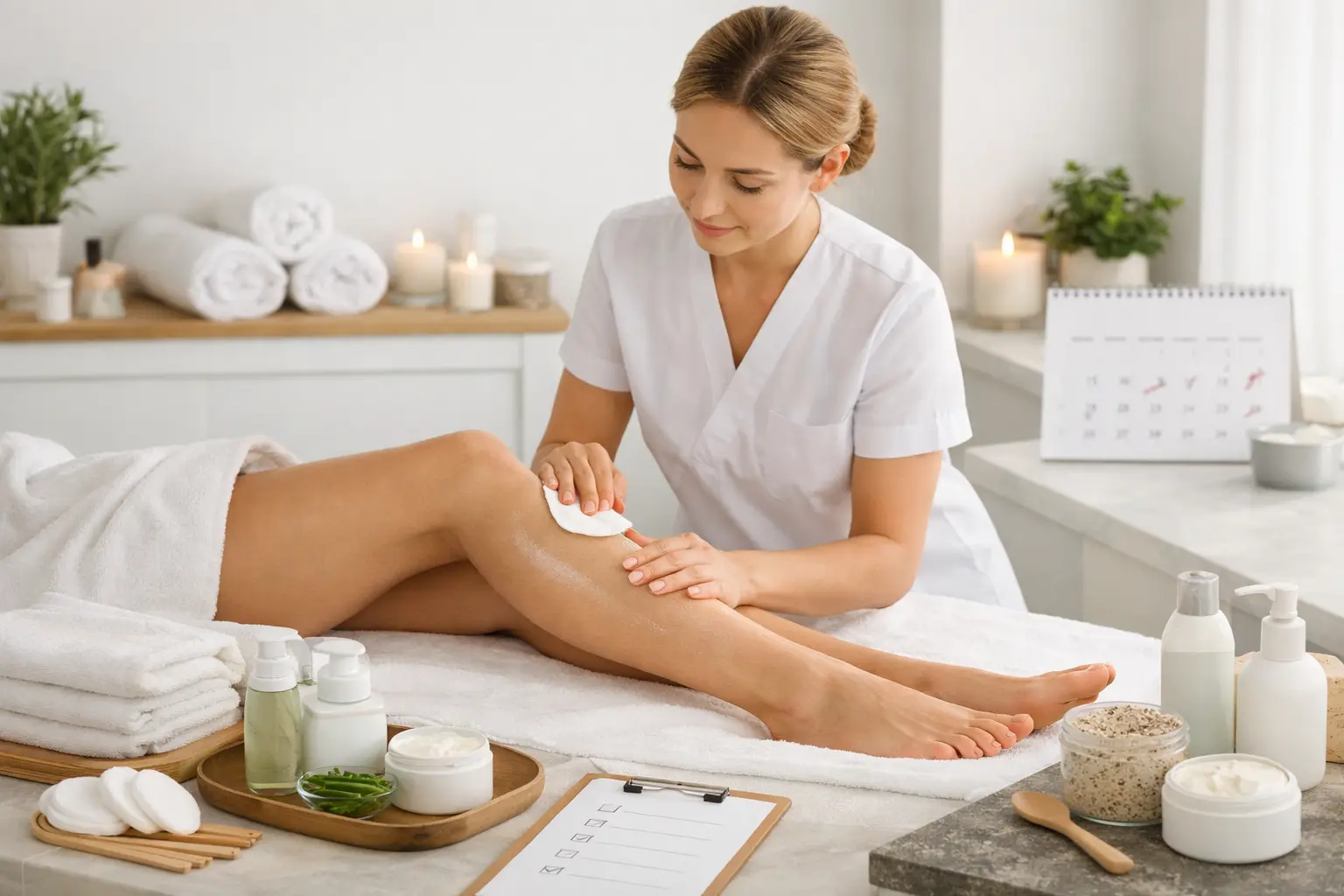
That freshly waxed feeling should be smooth, comfortable, and confidence-boosting – not followed by itchy bumps a few days later. Learning how to prevent ingrown hairs after waxing comes down to a thoughtful balance: keep skin calm immediately after your appointment, then gently encourage new hair to grow through the skin rather than curl underneath it.
Ingrown hairs can happen anywhere, but they are especially common in areas with coarse or curly hair, including the bikini line, underarms, legs, chest, and beard area. They are not a sign that you have done anything wrong. They simply need the right preparation, aftercare, and waxing routine to become far less frequent.
Why ingrown hairs happen after waxing
Waxing removes hair from the root, which is why results feel smooth for weeks rather than days. As the hair begins to grow back, however, its tip may become trapped beneath dead skin cells or turn back into the follicle. This can create a small raised bump, redness, tenderness, or an occasional visible loop of hair.
Skin friction can make the problem worse. Tight workout clothes, synthetic underwear, heat, sweat, and frequent rubbing all place extra pressure on freshly waxed skin. In Bangkok’s warm, humid weather, taking a little extra care during the first few days can make a noticeable difference.
Your hair type, skin sensitivity, hormones, and the body area being waxed also matter. Someone with fine leg hair may need very little maintenance, while someone with coarser bikini or beard hair may benefit from a more consistent exfoliation routine. The goal is not to over-treat the skin. It is to keep the follicle clear while protecting the skin barrier.
How to prevent ingrown hairs after waxing
Give freshly waxed skin a quiet 24 to 48 hours
Right after waxing, follicles are open and skin can be temporarily more reactive. Treat the area gently for the next day or two. Avoid hot baths, saunas, steam rooms, swimming pools, intense exercise, and direct sun exposure when possible. These can increase heat, friction, and irritation before your skin has settled.
Choose loose, breathable clothing, especially after a Brazilian, bikini, underarm, or body wax. Soft cotton underwear and relaxed-fitting pants are often more comfortable than close-fitting activewear or tight denim. If you are heading to the gym or beach soon after your appointment, consider scheduling your wax for a day when your skin can have some downtime.
Avoid fragranced lotions, body sprays, deodorants on freshly waxed underarms, and heavily scented intimate products. Simple, fragrance-free care is usually the kindest choice. If your technician recommends a specific soothing product for your skin, use it as directed rather than layering several new products at once.
Start gentle exfoliation at the right time
Exfoliation is one of the most effective ways to help prevent ingrown hairs, but timing matters. Scrubbing too soon can irritate already-sensitive skin. Wait at least 48 hours after waxing, or longer if you still see redness or feel tenderness.
Once the skin feels calm, exfoliate two to three times per week. You can use a gentle chemical exfoliant formulated for the body, such as one containing salicylic acid, or a soft exfoliating mitt used with light pressure. Chemical exfoliants can be particularly useful for clogged follicles, while a mitt may suit people who prefer a simple shower routine.
Do not use both aggressively. Over-exfoliating can cause dryness, inflammation, and more bumps that look similar to ingrowns. If your skin is sensitive, begin once a week and see how it responds. The best routine is the one that keeps your skin clear without leaving it tight, stinging, or flaky.
Moisturize so new hair can grow through easily
Healthy, hydrated skin sheds dead cells more evenly. After the initial post-wax period, apply a lightweight, fragrance-free moisturizer daily. Look for a formula that feels comfortable without leaving a heavy, sticky layer, particularly in humid weather.
For areas prone to congestion, such as the bikini line or chest, avoid rich oils or thick creams if they tend to cause bumps for you. Skin is personal: a body butter that works beautifully on dry legs may not be the best match for the underarms or intimate area. A technician can help you adjust your routine based on the area treated and your skin’s usual behavior.
Keep hands away from bumps
A small bump can be tempting to squeeze, scratch, or dig at, especially if you can see a hair beneath the surface. Resist the urge. Picking can introduce bacteria, deepen inflammation, and leave dark marks that take longer to fade than the ingrown hair itself.
Instead, keep the area clean, use a warm compress for a few minutes if it feels tender, and return to gentle exfoliation only once the skin is no longer irritated. If an ingrown hair becomes painful, swollen, pus-filled, or repeatedly returns in the same place, seek advice from a medical professional rather than trying to remove it yourself.
Stay consistent with your waxing schedule
Waxing hair that is too short can lead to uneven removal, while waiting too long may mean hair is more likely to break rather than lift cleanly from the root. For many areas, hair around one-quarter inch long is a good starting point. This is often about three to four weeks of growth, although the right timing varies by body area and individual hair growth.
Regular appointments can help create more even regrowth over time. Try not to shave between waxes if smooth, consistent results are your priority. Shaving cuts hair bluntly at the surface, and the mixed growth pattern can make your next wax less uniform. If you need guidance before booking, ask your waxing studio how much growth is ideal for the treatment you want.
Preparation matters before the appointment, too
Ingrown-hair prevention begins before wax touches the skin. In the days leading up to your appointment, maintain your normal gentle exfoliation and moisturizing routine, but stop exfoliating the day before. Arrive with clean, dry skin and avoid applying lotions, oils, or deodorant to the area being waxed unless your technician has advised otherwise.
Let your technician know about sensitive skin, active breakouts, medications, recent tanning, or any product that has caused a reaction in the past. Retinoids and certain acne treatments can make skin more delicate, so they may affect when waxing is appropriate. Honest details allow for safer, more tailored care – especially for first-time waxers and intimate services.
Professional technique also plays a real role. Proper wax temperature, clean application, correct hair-removal direction, and good post-wax guidance help reduce unnecessary breakage and irritation. At Mango Sticky Wax, treatments are approached as personalized care, with gentle technique and discretion designed to help every client leave feeling comfortable as well as smooth.
When bumps are not ingrown hairs
Not every post-wax bump is an ingrown hair. Tiny red dots immediately after waxing may simply be a normal follicle reaction and often settle within a day or two. A rash, widespread itching, persistent burning, or painful pustules may point to irritation, folliculitis, or an allergic reaction instead.
Pause exfoliating products if the skin is inflamed, and avoid experimenting with strong acids, essential oils, or harsh scrubs. If symptoms are severe, spreading, or do not improve, a dermatologist or other qualified medical professional can identify the cause and recommend appropriate treatment.
Smooth skin is not about chasing perfection or using more products than you need. A calm first 48 hours, regular gentle exfoliation, daily moisture, and a skilled waxing routine give your skin the best chance to stay clear, soft, and ready for whatever helps you feel most confident.