

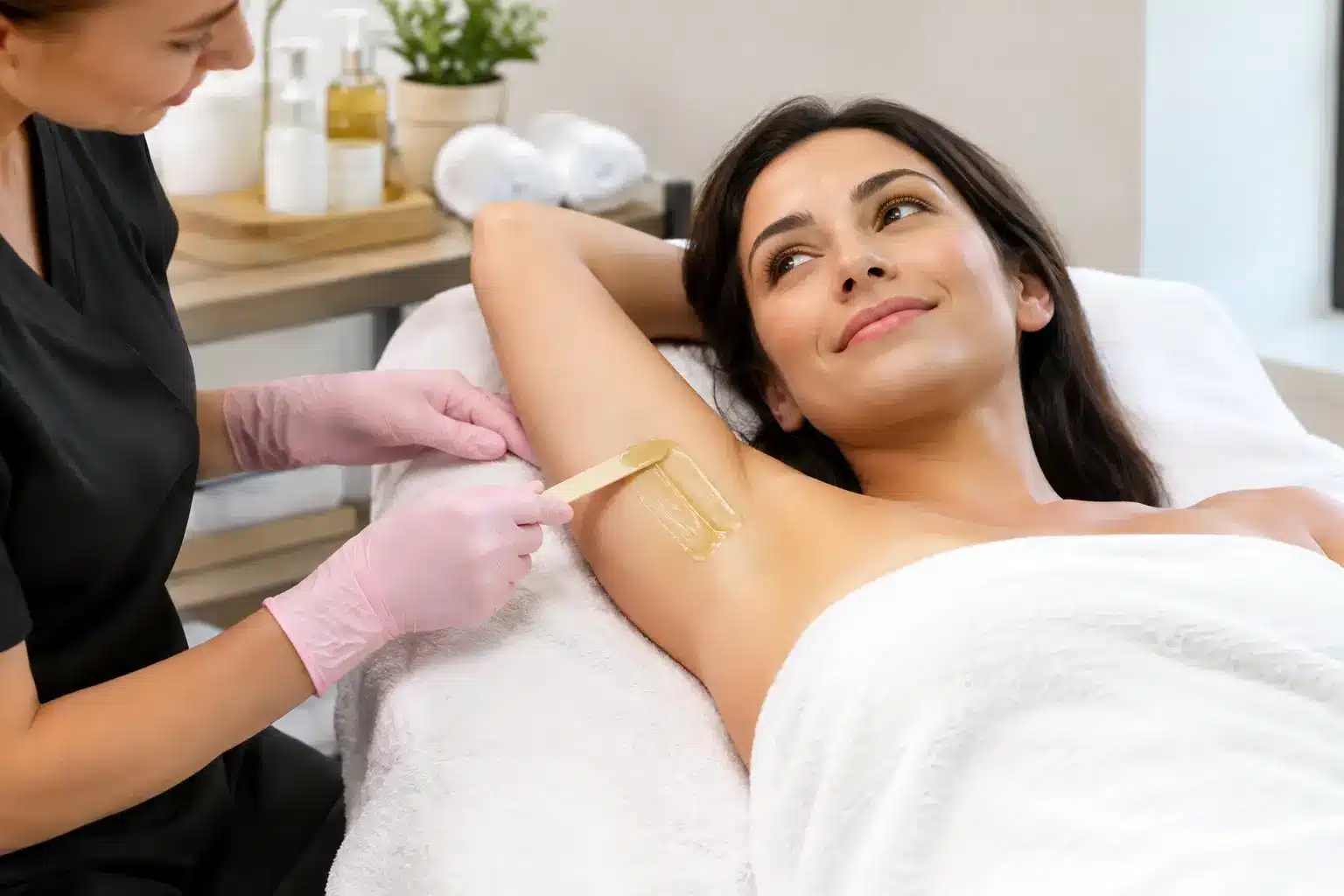
A comfortable intimate wax does not begin when the wax is applied. It starts with a little preparation, an experienced technician, and the reassurance that you are in a private, respectful setting. These intimate waxing comfort tips are designed to help first-time and regular clients feel more at ease before, during, and after their appointment.
Some sensation is part of waxing, especially in sensitive areas. But discomfort should never feel like something you simply have to endure. The right timing, skin preparation, communication, and aftercare can make a meaningful difference while supporting smoother-looking results.
Choose the Right Hair Length
For an intimate wax to grip hair effectively, there needs to be enough length for the wax to hold. A good rule is to let hair grow to around one-quarter inch – roughly the length of a grain of rice. This is often about two to three weeks after shaving, though growth patterns vary from person to person.
Hair that is too short may not lift cleanly, which can mean missed patches or the need for more work in the same area. Hair that is very long can be trimmed before your appointment if needed, but avoid shaving immediately beforehand. Freshly shaved hair is usually too short for waxing and can make the service less efficient.
If you are unsure whether you have enough growth, it is completely reasonable to ask the studio before you arrive. A professional waxing appointment should feel tailored, not like you have to guess your way through it.
Prepare Your Skin Gently, Not Aggressively
Clean, calm skin creates the best conditions for waxing. Shower as usual before your appointment, but skip heavy body oils, rich lotions, and fragranced products on the area being waxed. These can create a barrier between the wax and the hair.
Gentle exfoliation one or two days before your visit can help loosen dead skin cells and reduce the chance of trapped hairs. Use a soft exfoliating mitt or a mild body exfoliant, then leave the area alone on the day of your wax. Scrubbing immediately before an appointment can leave sensitive skin feeling more reactive.
Avoid using strong exfoliating acids, retinoids, or other active skincare products near the treatment area in the days leading up to your visit. If you are using a prescription skin treatment, have an active rash, sunburn, broken skin, or irritation, let your technician know. Sometimes the most comfortable option is to adjust or postpone a service until the skin has settled.
Time Your Appointment With Your Body in Mind
Your cycle can affect how sensitive you feel. Many clients notice more tenderness in the days just before or during menstruation, while others are comfortable waxing at any point in the month. There is no single rule, but if you know you tend to feel more sensitive at a certain time, scheduling outside that window may make your experience easier.
Try to arrive well rested and hydrated. A rushed appointment after a stressful day, a skipped meal, or very little sleep can make any sensation feel more intense. Eating a light meal beforehand and drinking water throughout the day can help you feel steadier and more relaxed.
It can also be wise to limit caffeine and alcohol on the day of your wax. For some people, both can contribute to feeling jittery, warm, or more aware of discomfort. This is not a requirement, but it is a useful adjustment if you are nervous or know your skin is sensitive.
Wear Clothes That Let Skin Breathe
Choose clean, loose-fitting underwear and clothing for after your appointment. Soft cotton or breathable fabrics are usually more comfortable than tight leggings, restrictive denim, or synthetic materials that trap heat and friction.
This small choice matters most after Brazilian or bikini waxing, when the skin may be temporarily more sensitive. You do not need a complicated outfit plan. A relaxed dress, loose pants, or comfortable shorts can help you leave the studio feeling composed rather than irritated.
Speak Up Before the Wax Begins
Privacy and clear communication are part of a professional intimate waxing experience. Before treatment starts, tell your technician whether it is your first wax, whether you have had irritation in the past, or whether there is anything that makes you feel uneasy. You can also confirm exactly what you would like removed and what you prefer to leave untouched.
A skilled technician will guide you through positioning, explain what to expect, and work methodically without making the service feel rushed. You do not need to apologize for being nervous, ask whether a sensation is normal, or request a short pause. Intimate waxing is personal care, and your comfort deserves to be treated as part of the service.
At Mango Sticky Wax, discreet appointments are approached with the same care as any other precision treatment: clear consultation, gentle technique, and respect for each client’s boundaries.
Use Simple Ways to Relax During Each Section
Anticipation can be more uncomfortable than the wax itself. When you tense your legs, abdomen, or shoulders, the body often feels every pull more sharply. Focus on a slow exhale as the technician works. Some clients find it helpful to breathe in through the nose, then breathe out steadily rather than holding their breath.
Keep your attention on a simple point in the room or make light conversation if that helps you feel settled. Others prefer quiet. Both are perfectly fine. The goal is not to pretend the appointment is sensation-free. It is to keep your body from bracing against every moment.
Experienced technicians also work in smaller, controlled sections and use techniques intended to minimize unnecessary pulling. This is one reason professional care matters, particularly for intimate areas where precision and skin handling make a real difference.
Know What Is Normal After Intimate Waxing
Mild redness, warmth, and small bumps around the follicles can happen after waxing, particularly if it is your first appointment or you have sensitive skin. This usually settles within a day or two. Treat freshly waxed skin gently: keep it clean, avoid touching it unnecessarily, and use a fragrance-free soothing product if recommended by your technician.
For the first 24 to 48 hours, it is generally best to avoid activities that combine sweat, heat, and friction. That can include intense workouts, hot baths, saunas, swimming pools, and close-fitting clothing. Skip fragranced sprays, heavily scented lotions, and exfoliation until the skin feels calm again.
If you experience persistent pain, significant swelling, blistering, or a reaction that does not improve, seek advice from an appropriate medical professional. Waxing should leave you feeling smooth and cared for, not concerned about your skin.
Build a Routine Instead of Starting From Scratch Each Time
Regular waxing can feel easier over time because you learn your own skin’s patterns, preferred schedule, and sensitivity triggers. Many clients book every four to six weeks, although the ideal rhythm depends on hair growth and the area being treated. Staying reasonably consistent can also help you avoid the extra discomfort that sometimes comes with longer, denser regrowth.
Between appointments, resist the urge to shave if you are planning to continue waxing. Shaving can interrupt the growth cycle and make it harder to achieve an even result at your next visit. Gentle exfoliation after the initial post-wax recovery period, along with simple moisturization, can help keep skin feeling soft and support a smoother regrowth process.
A Calm Appointment Is a Shared Effort
The best intimate waxing comfort tips are practical, but they also come down to choosing care that feels right for you. Preparation can support your skin, while an experienced technician can adapt the treatment to your needs and help you feel at ease in a private setting.
Come as you are, ask the questions you need to ask, and give yourself permission to take the appointment at a comfortable pace. Smooth skin is a lovely result, but feeling respected and confident throughout the process matters just as much.